Anúncios
Learn how storage unit auctions work, what they really cost, and how to place your first bid with confidence.
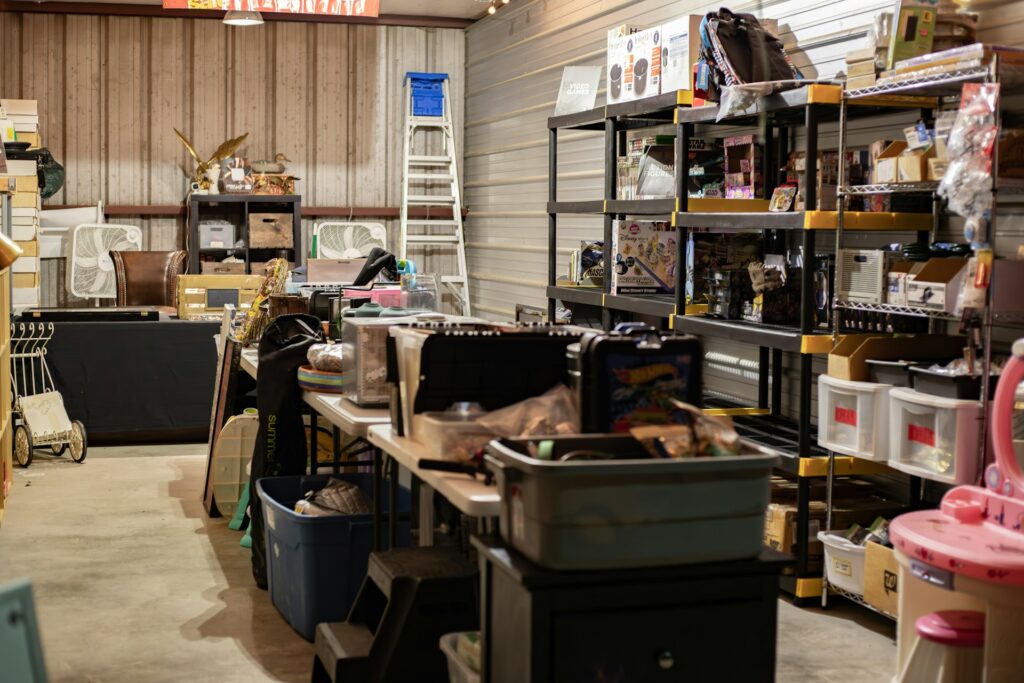
Few things spark curiosity like a locked storage unit waiting for a new owner. Behind each door, there could be furniture, tools, collectibles, or boxes of forgotten belongings.
That mystery is exactly what makes a storage auction so appealing to resellers, collectors, and people looking for affordable items. Still, success depends far more on preparation than on luck.
Knowing how fees work, how to read a listing, and what happens after the final bid protects both your budget and your reputation as a buyer.
In this guide, you will discover how these auctions work in the United States, which costs to expect, and how to start bidding online step by step. Let’s dive in!
What Is a Storage Auction and Why Do Units Go Up for Bid
A storage auction is a public sale where a self storage facility sells the entire contents of a unit to the highest bidder. The buyer takes everything inside, not individual items.
In most cases, the sale happens because the tenant stopped paying rent for an extended period. After repeated attempts to collect the balance, the facility recovers part of its losses through the auction.
How State Lien Laws Shape Every Sale
Each state has its own self storage lien law, which sets the rules facilities must follow before selling a unit. These rules usually cover notices, waiting periods, and how the sale is advertised.
Because of this legal process, auctions can be canceled at the last minute. One of the most common reasons is the tenant paying the overdue balance before the sale closes.
Lien laws may also exclude certain items from the sale, such as vehicles, firearms, boats, or hazardous materials. In those cases, the rest of the unit is still sold.
For buyers, this means reading every listing carefully. Understanding the rules behind each auction helps you avoid surprises and bid with more confidence.
The Main Types of Storage Auctions You Can Join
Not every unit reaches the auction block for the same reason. Knowing the category of each sale helps you understand where the items came from and what to expect.
On StorageTreasures, the auction type is shown at the top of the listing page. Here is a quick comparison of the three main categories.
| Auction Type | Who Posts It | How It Works |
| Lien Unit | Storage facilities | Sold after a tenant fails to pay rent, following state lien laws. This is the most common type. |
| Non-Lien / Manager’s Special | Storage facilities and private sellers | Contents signed over, left behind, or offered by the owner, with no lien attached. |
| Charity Unit | Facilities partnered with Charity Storage | Donated items whose sale proceeds support charitable causes. |
Online Auctions vs. Live On-Site Auctions
Online auctions let you browse photos, compare units, and place bids from your phone or computer. They usually run for several days and close at a set time.
Live auctions take place at the facility. The manager cuts the lock, bidders take a quick look from the doorway, and the unit is sold on the spot.
Online bidding is often more comfortable for beginners, since there is time to think and plan. Live events reward fast decisions and some prior experience.
Many buyers start online to learn the process and later attend live auctions in their region. Both formats can be found by searching your ZIP code.
Why Storage Auctions Attract So Many Buyers
Storage auctions bring together very different buyer profiles. Some look for inventory to resell, while others simply want useful items at accessible prices.
- Resellers who stock online stores, flea market booths, or thrift shops
- Collectors searching for vintage pieces, toys, records, or memorabilia
- Families furnishing a new home on a tight budget
- DIY fans looking for tools and equipment
The variety of items is a big part of the appeal. A single unit can hold furniture, electronics, clothing, kitchenware, and sports gear all at once.
However, it is important to keep expectations realistic. Many units contain ordinary household goods, and some may hold little resale value.
Results vary from unit to unit, and there are no guarantees about what you will find. Buyers who treat each auction as a calculated decision usually have a much better experience.
How Much Does a Storage Auction Really Cost
The winning bid is only part of the total investment. Several additional costs come into play once the auction closes, and they can change your numbers considerably.
The table below shows the most common expenses on StorageTreasures. Exact amounts depend on the facility, your state, and your membership plan.
| Cost | What It Means | When You Pay |
| Winning bid | The final amount offered for the unit | At the facility, minus the purchase deposit |
| Buyer’s premium | Platform fee from 9% to 18%, depending on membership | Charged to your card when you win |
| Purchase deposit | Prepayment of up to 10%, deducted from the sale price | Charged to your card when you win |
| Sales tax | Applied according to local rules | At the facility, unless a valid resale certificate applies |
| Cleaning deposit | Refundable amount that ensures the unit is fully emptied | Usually in cash at the facility |
| Transport and labor | Truck rental, helpers, fuel, and disposal | During the cleanout |
Calculating Your True Maximum Bid
Before bidding, estimate what you could realistically do with the visible items. Then subtract the buyer’s premium, taxes, transport, and disposal costs from that estimate.
The number that remains is your true ceiling. Going above it means you may spend more than the contents are worth to you.
Remember to include your own time as well. Emptying, sorting, cleaning, and reselling items can take several days of work.
A simple spreadsheet or notes app helps you track each expense. Over time, these records also reveal which types of units best fit your goals.
How to Evaluate a Unit Before Placing a Bid
Since online buyers cannot step inside the unit, the listing becomes the main source of information. Studying it carefully is one of the most valuable habits you can build.
Check the unit size, facility location, closing time, and additional rules section. These details affect both your costs and your cleanout plan.
What the Photos Can Tell You
Zoom in on every image. Visible brand names, sealed boxes, quality furniture, and organized shelves often suggest a unit that was well cared for.
Pay attention to how full the space is. A unit packed to the ceiling may hold more items, but it also demands more time and labor to empty.
Labeled boxes can offer clues about the contents, such as kitchen supplies, tools, or books. Even so, labels do not always match what is inside.
Save the auction photos on your phone. If the unit looks different when opened, they help you report the issue to the facility right away.
Warning Signs to Watch For
Visible moisture, mold, pests, or damaged packaging can ruin items and raise cleanup costs. Blurry or very dark photos also make the contents harder to judge.
Units filled mostly with loose trash bags or old mattresses usually require more disposal work. These costs can quickly reduce the value of the purchase.
Be cautious with units far from home if you lack reliable transportation. Long trips can turn a simple pickup into an expensive task.
When in doubt, skip the auction. New units are listed all the time, and patience often leads to better opportunities.
Smart Bidding Strategies for Beginners
Set your maximum bid before the auction ends and stick to it. Emotional bidding in the final minutes is one of the most common reasons buyers overspend.
StorageTreasures offers a max bid feature, also called a proxy bid. The system raises your offer automatically in $10 increments until it reaches the limit you chose.
Keep in mind that bids cannot be removed once placed. Always double-check the amount and the auction before confirming your offer.
Filters such as Auctions Ending Soon help you monitor active opportunities. Starting with smaller, lower-priced units is also a great way to learn with less risk.
What Happens After You Win a Storage Auction
When the auction closes, you receive an invoice by email and in your account. At that moment, your card is charged for the buyer’s premium and the purchase deposit.
Next, contact the facility to schedule your visit. Bring the remaining balance in the accepted payment method, along with the cleaning deposit, usually in cash.
You must remove everything within the deadline set by the facility and leave the unit broom swept. Once staff confirm the space is empty, the cleaning deposit is refunded.
Personal documents, family photos, certificates, and similar belongings should be left with the facility. Staff will handle returning them to the former tenant.
Common Mistakes That Can Cost You Money and Access
Some errors go beyond financial losses and can lead to account suspension. Knowing them in advance keeps your buyer profile in good standing.
- Taking only the best items and leaving the rest behind
- Missing the cleanout deadline
- Having your card declined when fees are charged
- Using facility dumpsters without permission
On StorageTreasures, buyers cannot give up the cleaning deposit to avoid emptying the unit. Leaving unwanted items behind can result in an indefinite suspension.
Another frequent mistake is touching items before confirming the unit matches the photos. Once you cross the threshold, you become responsible for the full cleanout.
Planning transport, helpers, and disposal options before bidding prevents most of these problems. Responsible buyers also build better relationships with facility managers.
Step-by-Step Guide to Bidding on StorageTreasures
Now that you understand how the process works, it is time to put this knowledge into practice. StorageTreasures is one of the best-known storage auction directories in the country.
Registration is free, and the platform lets you search auctions, place bids, and manage purchases in one place. Follow the steps below.
1. Visit the Official Website
Access StorageTreasures by clicking the button below. You can also use the official app to follow auctions from your phone.
On the homepage, you will find options to browse online auctions and live auctions in your area.
Website

StorageTreasures
2. Create Your Buyer Account
Click Sign Up and choose the option to register as a buyer. Enter your contact details, email address, and a password.
Then open the verification email and click the link to activate your account.
H3: 3. Add a Credit Card to Your Profile
A valid credit card is required before you can bid, since it covers the platform fees when you win.
Go to your account settings and add the card in the payment section.
4. Search Auctions by ZIP Code and Filters
Use your ZIP code, city, state, or facility name to find nearby units. Filters for categories, auction type, and closing time help narrow the results.
Log in before searching so closing times appear in your own time zone.
5. Review Every Detail of the Listing
Check the photos, unit size, auction type, accepted payment methods, cleaning deposit, and cleanout deadline.
The additional information section often includes facility rules that affect your total cost.
6. Place Your Max Bid
Enter the highest amount you are willing to pay and confirm. The system then bids for you automatically up to that limit.
Bidder identities stay hidden to keep the process fair for everyone.
7. Pay, Pick Up, and Clean Out the Unit
If you win, save your invoice and contact the facility to book your pickup.
Bring the payment and cleaning deposit, empty the unit completely, and leave it broom swept to receive your refund.
Final Thoughts
A storage auction can be an exciting way to find useful items, build resale inventory, or simply enjoy the thrill of the hunt.
Success comes from planning, understanding the real costs, and treating every bid as a careful decision rather than a gamble.
By following facility rules and using trusted platforms like StorageTreasures, you protect both your budget and your reputation as a buyer.
Enjoyed this guide? Keep exploring and learn about the difference between subscription, rental and financing and its benefits!
Recommended Content